My friends at RabCup here in Los Angeles recently made this cool video that features a number of my designs, seen at high-profile venues from Washington DC to Las Vegas and beyond.
For several of the experiences featured in this video I led the discovery, concept and design process, helping the client imagine some large-scale and high-profile interactive experiences tailored specifically to their messaging and audience — this involved a combination of approaches, including some very much “analog”:


These projects weren’t just about concept and design — we saw the process through, all the way through development (in addition to technical direction for software architecture, I found myself writing a fair amount of C#, as it turned out) and production on-location (like with the Leatherman in one hand and a roll of gaff tape in the other) — I generally try to avoid getting too deep into the nuts-and-bolts (of commercial projects, anyway) these days … but sometimes it happens, especially when you’re “pushing the envelope” a bit.


We did a lot of innovative (and high-profile) work — in a tight time frame and with limited resources — that in the end was well-received by audiences. It’s rare that one has the opportunity (or obligation) to be fully hands-on at every step of the process in these kinds of projects — all the way from initial concept to on-site delivery; while this usually means a lot of work (and a bit of sleep deprivation), it can be pretty satisfying to see it all come together, close up.
A few more “behind the scenes” images …


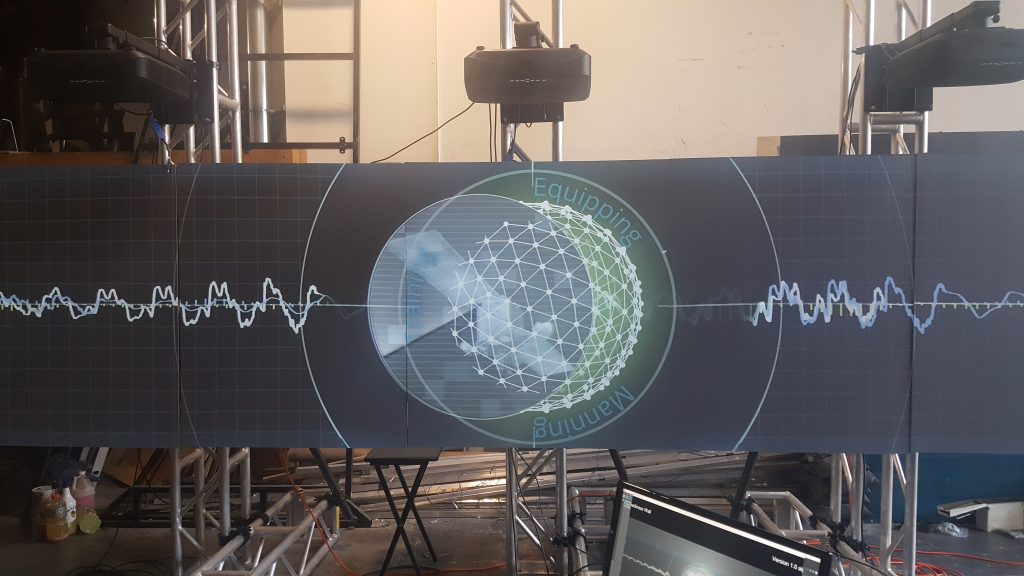
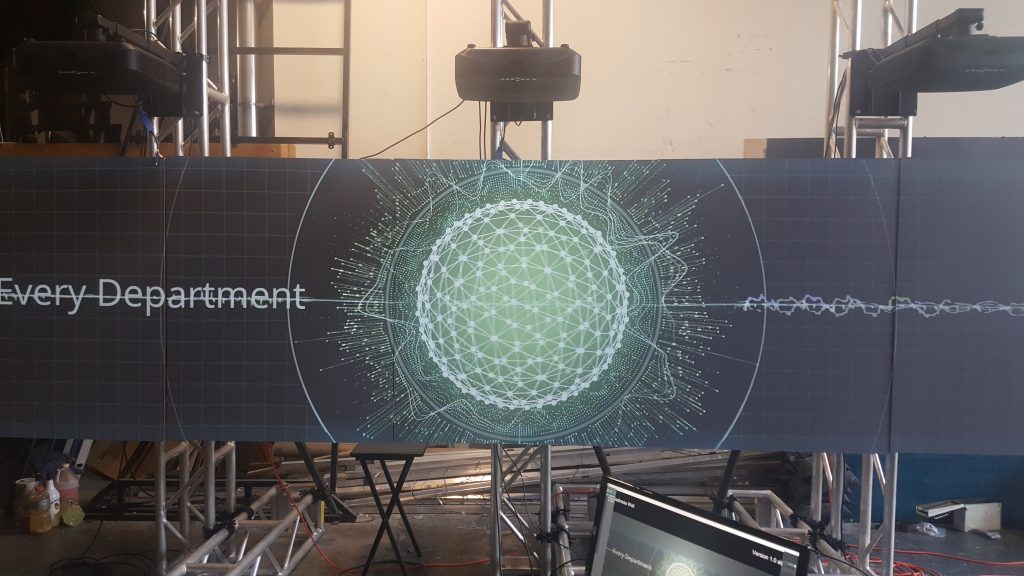
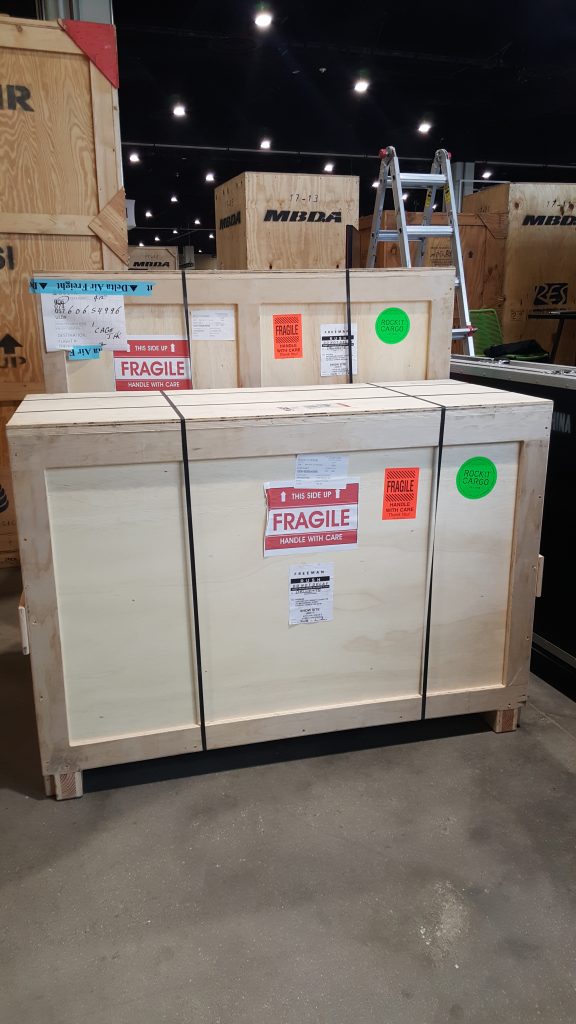


And when it’s all over …
Leave a Reply