This is a draft of the next chapter in the DNA series, including visuals generated live in an interactive presentation using the VSx platform.
Please note that content, designs, and user experience paradigms shown here are proprietary and confidential.
In the previous chapter we looked at some of the basic concepts in interactive storytelling using digital tools. We discussed the importance of the context in which story elements are presented, and how movement through a 3D environment forms a part of the narrative.
An example involved a presentation context that transitioned from a flat, geometric, two-dimensional environment to a three-dimensional naturalistic exterior landscape. In this latter environment we further discussed concepts including topography and paths and how these can be elements of a narrative.
In the present chapter we move from the exterior environment back to the geometric (“manmade”) domain — of course continuing in three-dimensions — to examine some of the basic elements used for defining three-dimensional space.
This is the realm of architectural theory, and we can explore how these basic elements (“primitives,” or “archetypes”) can be used to convey meaning, emotion or components of a narrative.
Architectural Theory in Digital Space
There exists a vast amount of theory on the subject of architecture, from the ancient (beginning with Vitruvius) to the present day.
As our present discussion involves digital (and hybrid) experiences, many traditional aspects of architecture (or “building”) — e.g., laws of physics, structural requirements, not to mention building codes — do not apply, here. Nonetheless as humans who have evolved in physical environments, natural and built, we have an intuitive understanding of these elements and the meanings they convey. In the digital/hybrid world a “building” is not “built” in the traditional manner; it is free of the usual restrictions and therefore design options are infinite — but it is still understood as a “building” and the symbolic language it enables still functions.
It is worth noting some characteristics of the digital context in which these elements are presented and experienced (these topics will be discussed in greater detail in subsequent chapters).
Scale
The human perceptual system is remarkably adept at decoding the scale of objects (e.g., recognizing that a very large object appears smaller at a distance). In most cases it is important for an audience to intuitively understand scale or architectonic forms (in some cases confusing or misleading an audience might be intended). In the physical world this is somewhat more straightforward than in the digital (especially considering the range of display devices that may be in use).
The range of scale that can be presented and experienced is also virtually unlimited: from intimate to massive, microscopic to cosmic.
Movement
Movement in the physical world is limited by the laws of physics and gravity. In the digital world these restrictions do not apply which opens many new possibilities for how we move through space and navigate architectonic forms.
Forms, space and light may also be dynamic in ways that would be impossible (or impractical) in physical space.
Rhythm
In the physical world the experience of rhythm comes from physical movement or the movement of our vision over or through repeated forms.
In the digital realm rhythms may also be explicitly expressed through dynamic parametric forms.
The Domain of Architectural Theory
In all the areas described above, design possibilities extend far beyond what we intuitively understand as “architecture.” For example, when introducing dynamic elements, we can easily move beyond the limits of what is perceived as “architectonic” to what we perceive as something else, perhaps “machine.” There is of course considerable grey area (that can be explored!).
Elements
Below we discuss some of these the basic symbolic elements, with the intention to express concepts in simple, intuitively-understood traditional architectural terms.
In this introduction, we are describing elements in the most simple, abstract geometrical terms, leaving further topics (e.g., ornament) for future discussions.
In a VSx-driven presentation, the architectural elements presented below are generated using procedural geometry (meshes and UV maps), allowing basic characteristics to be manipulated as real time parameters.
The Exterior
The Approach
In the “real,” physical world, a building always exists in a context that must be navigated in order to encounter the architectural elements.
Topography and paths, as discussed in the previous chapter, guide and modulate this experience.
At this point — until we enter into it — architecture is experienced as sculptural form.
The Facade
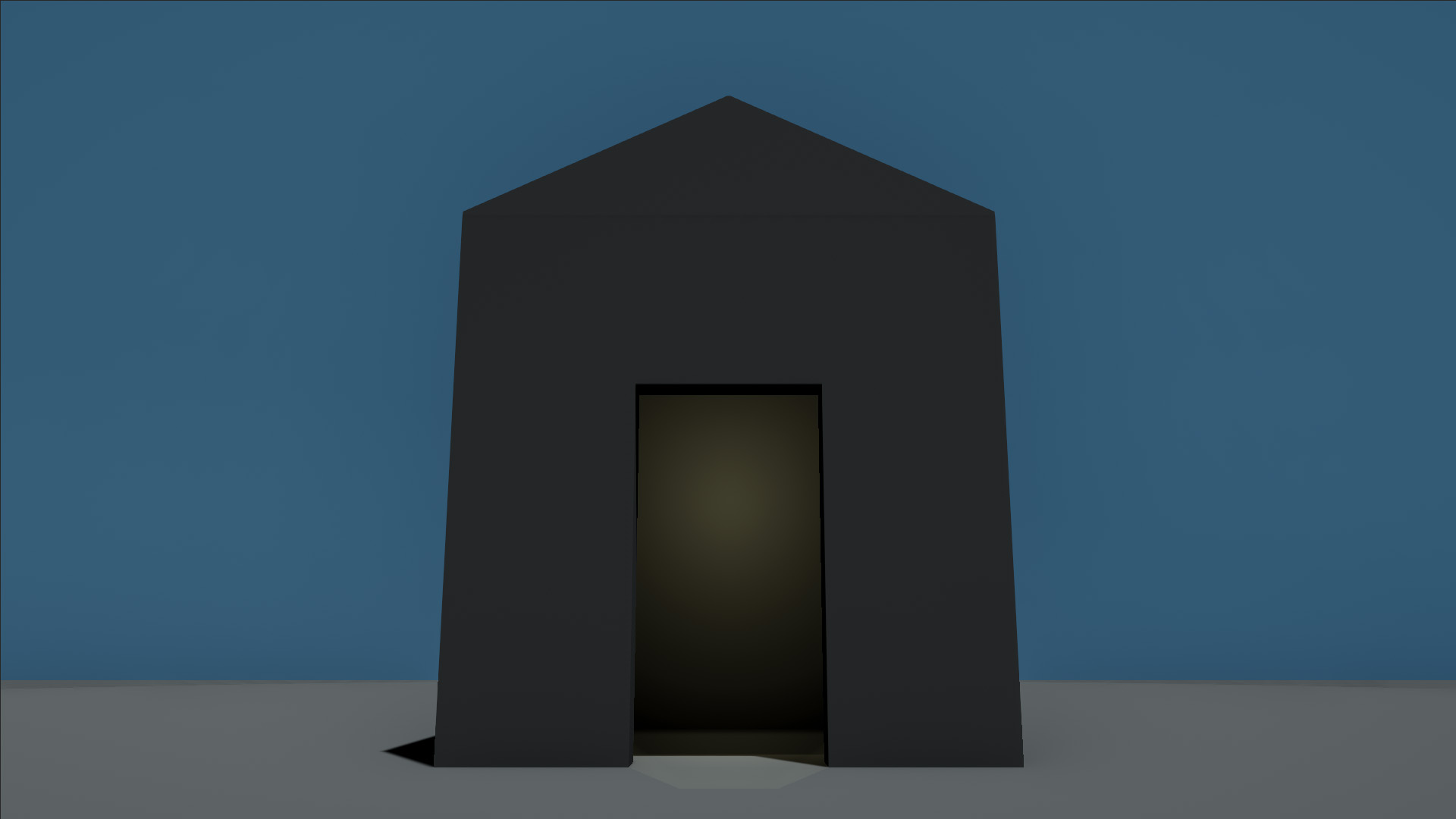
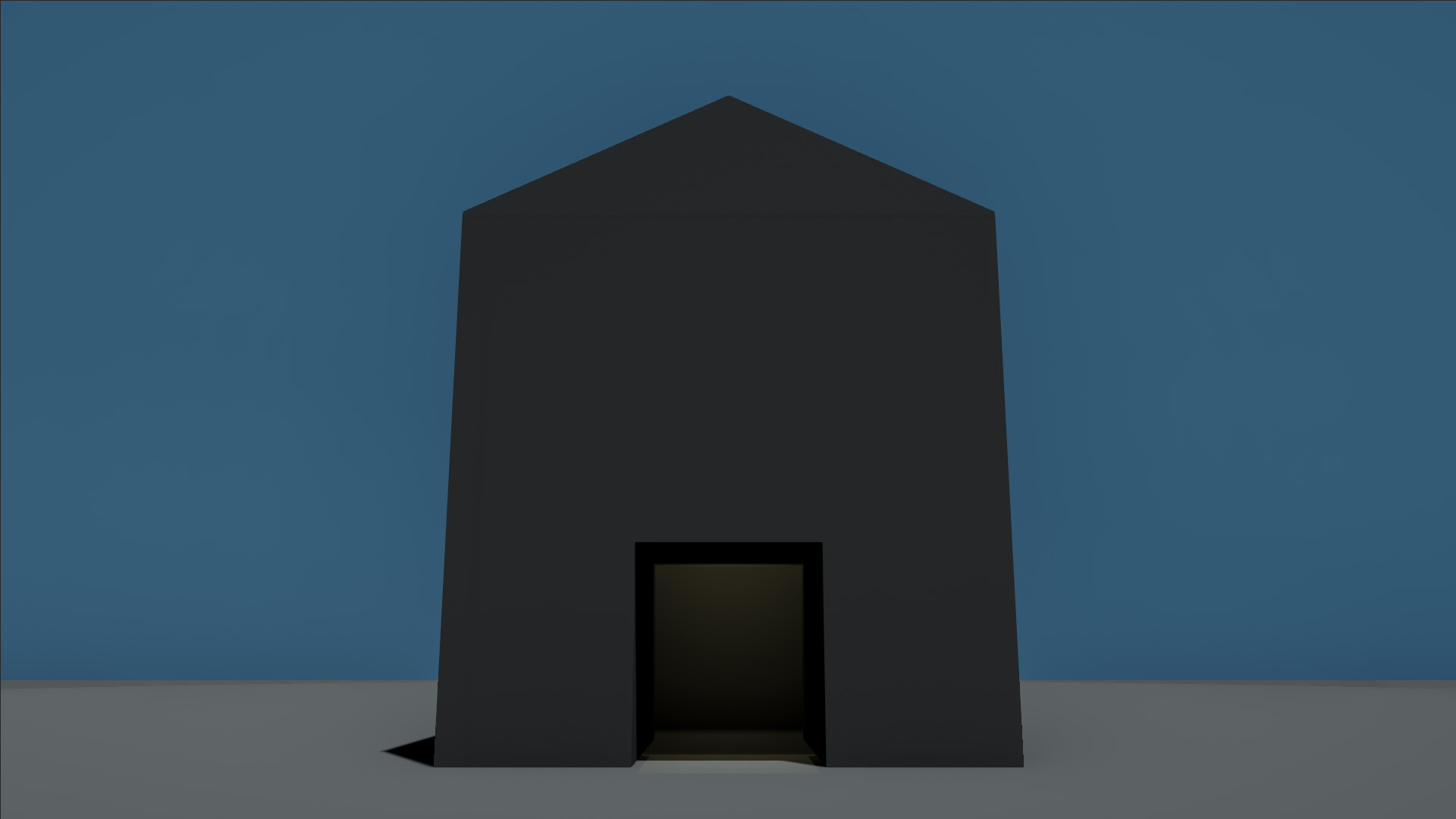
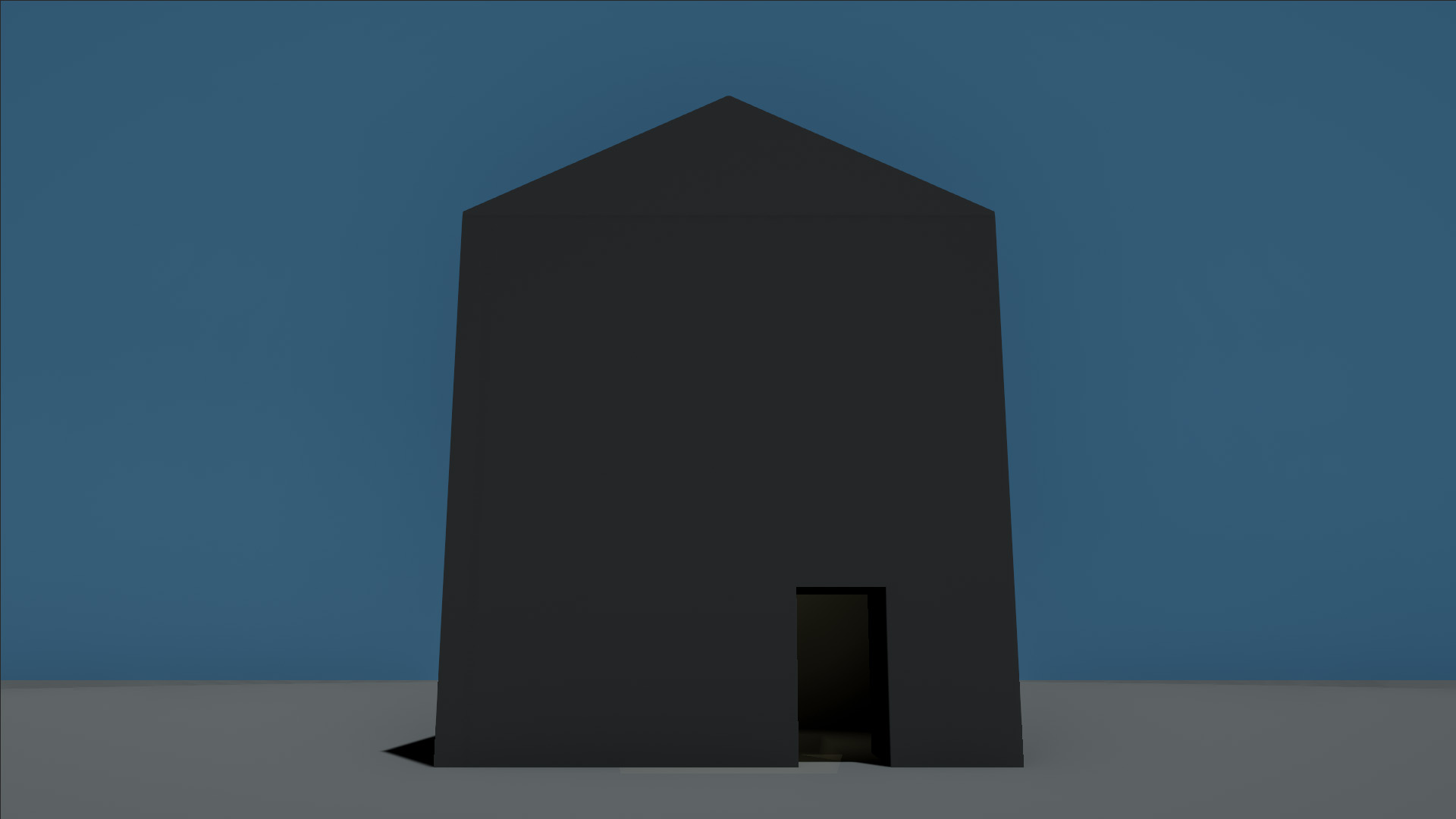
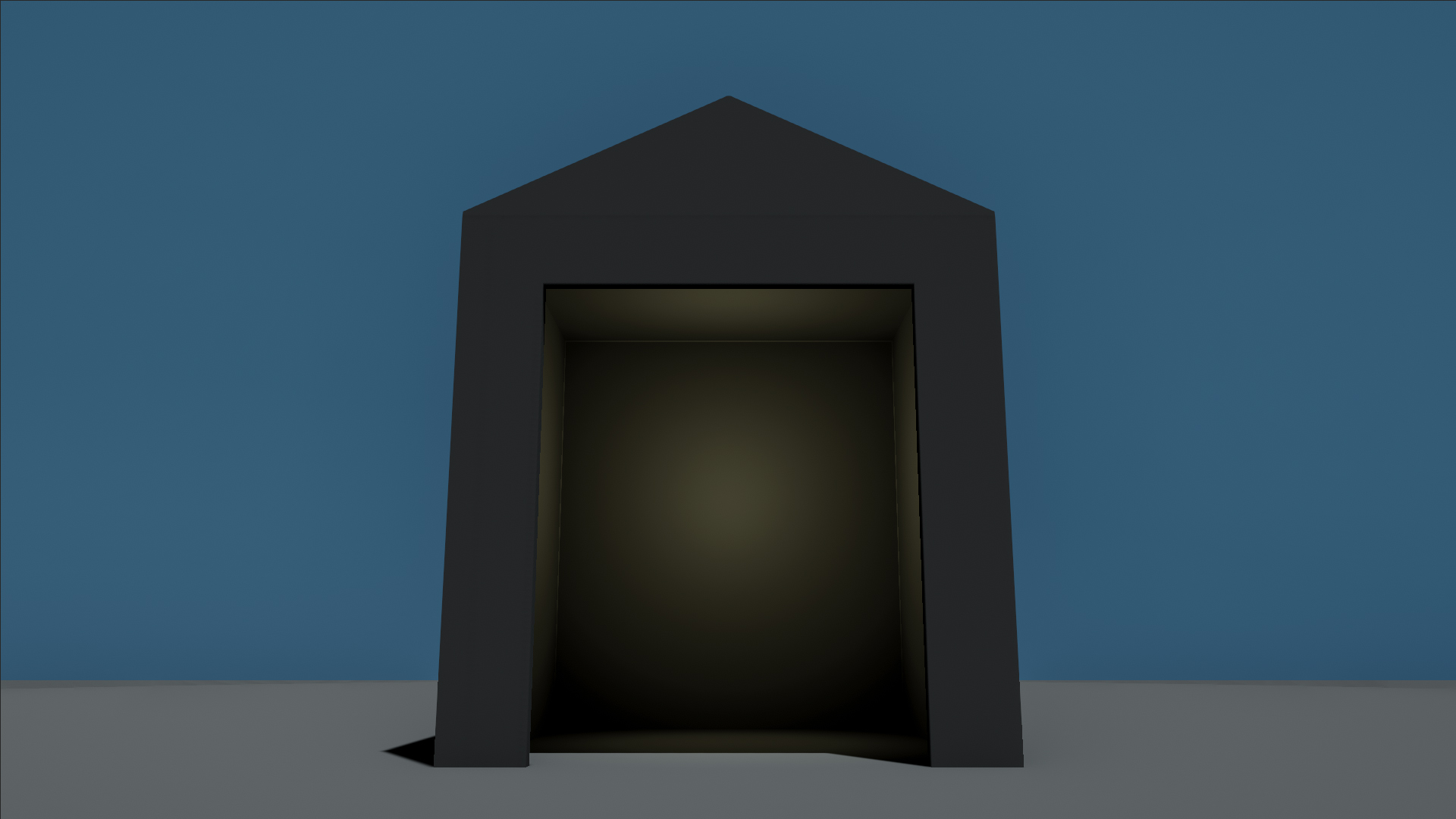
The facade stands at the transition of the exterior to interior worlds. Message conveyed by a building’s exterior include the nature of the experience within, and how one should approach it.
The Wall
Once inside, the wall is the primary way in which the space through which we move is defined and delineated.
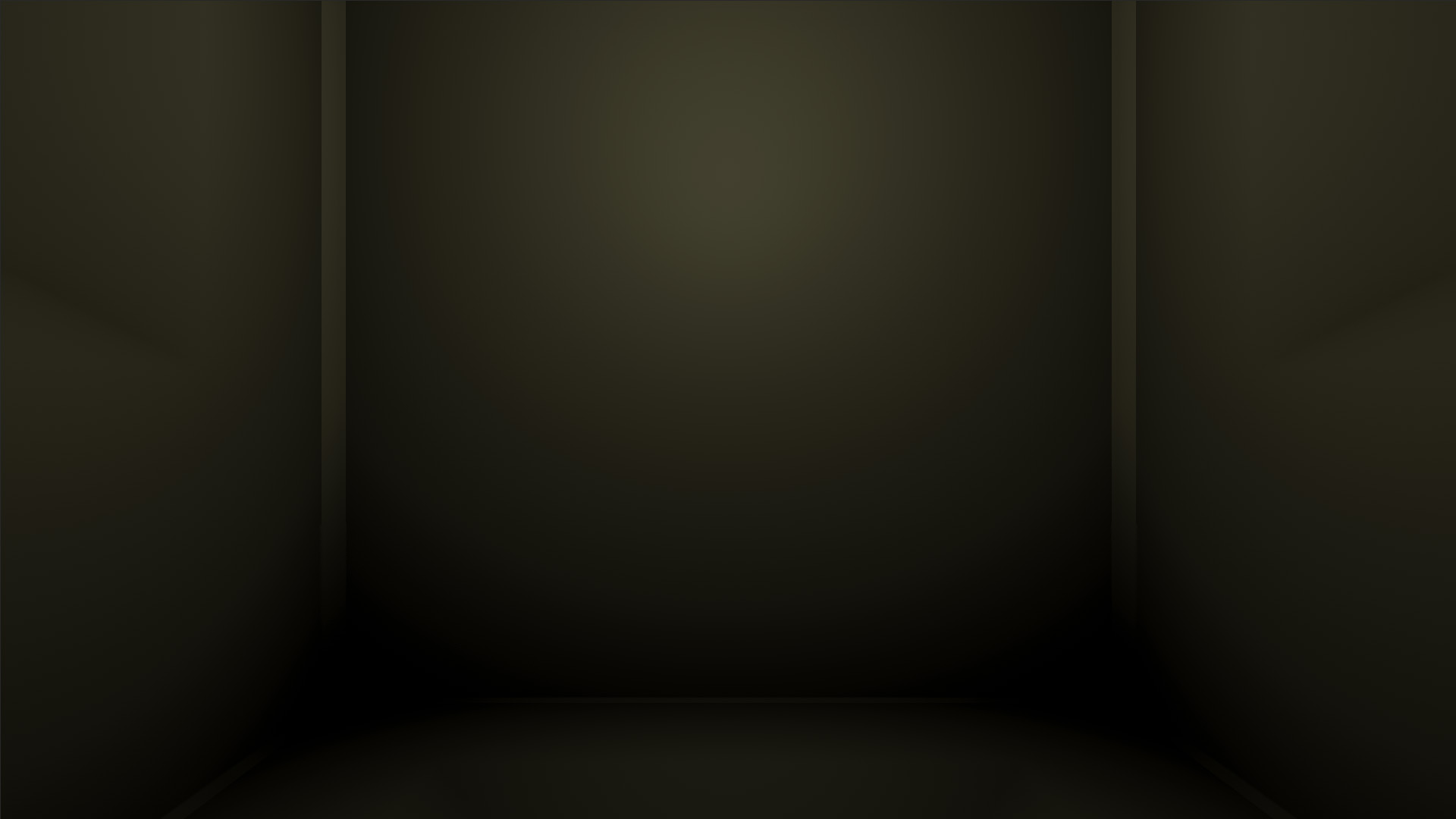
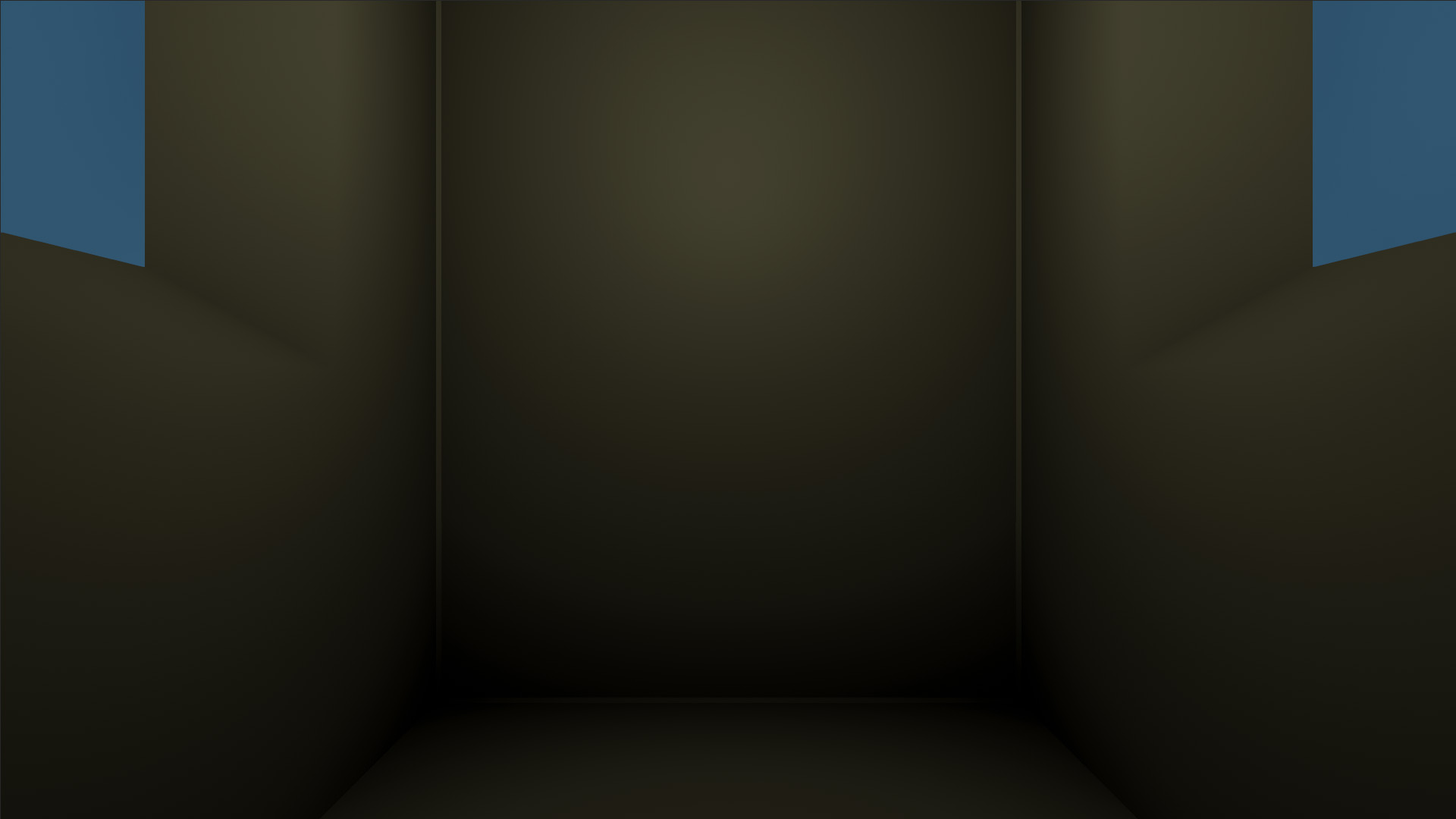
Beyond basic characteristics such as height, width and placement, walls often include apertures of some sort, negative spaces that open to spaces beyond:
The Doorway
As we observed in the discussion of the facade, the simple geometry of an opening in a wall that extends to a horizontal surface reads as a doorway, a path through which one may access another, new space. It represents a transition from one space — one “chapter” — to the next. The geometry and other aspects of the portal tell us about the nature of the transition.
The Window
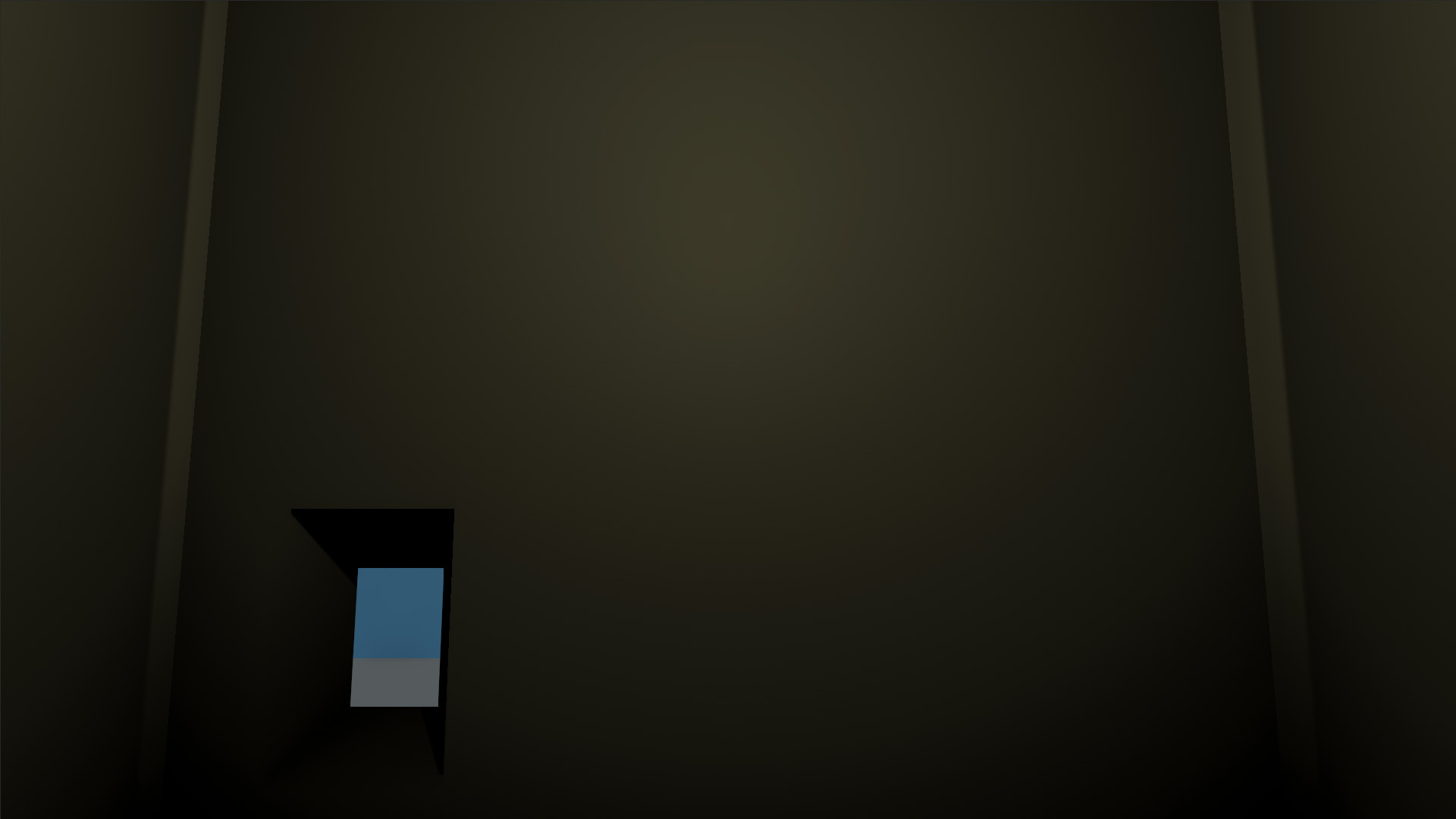
We tend to read a window as an aperture, an opening in a delimiting form, that allows light in, or that allows us to see out — but that we would not normally move through.
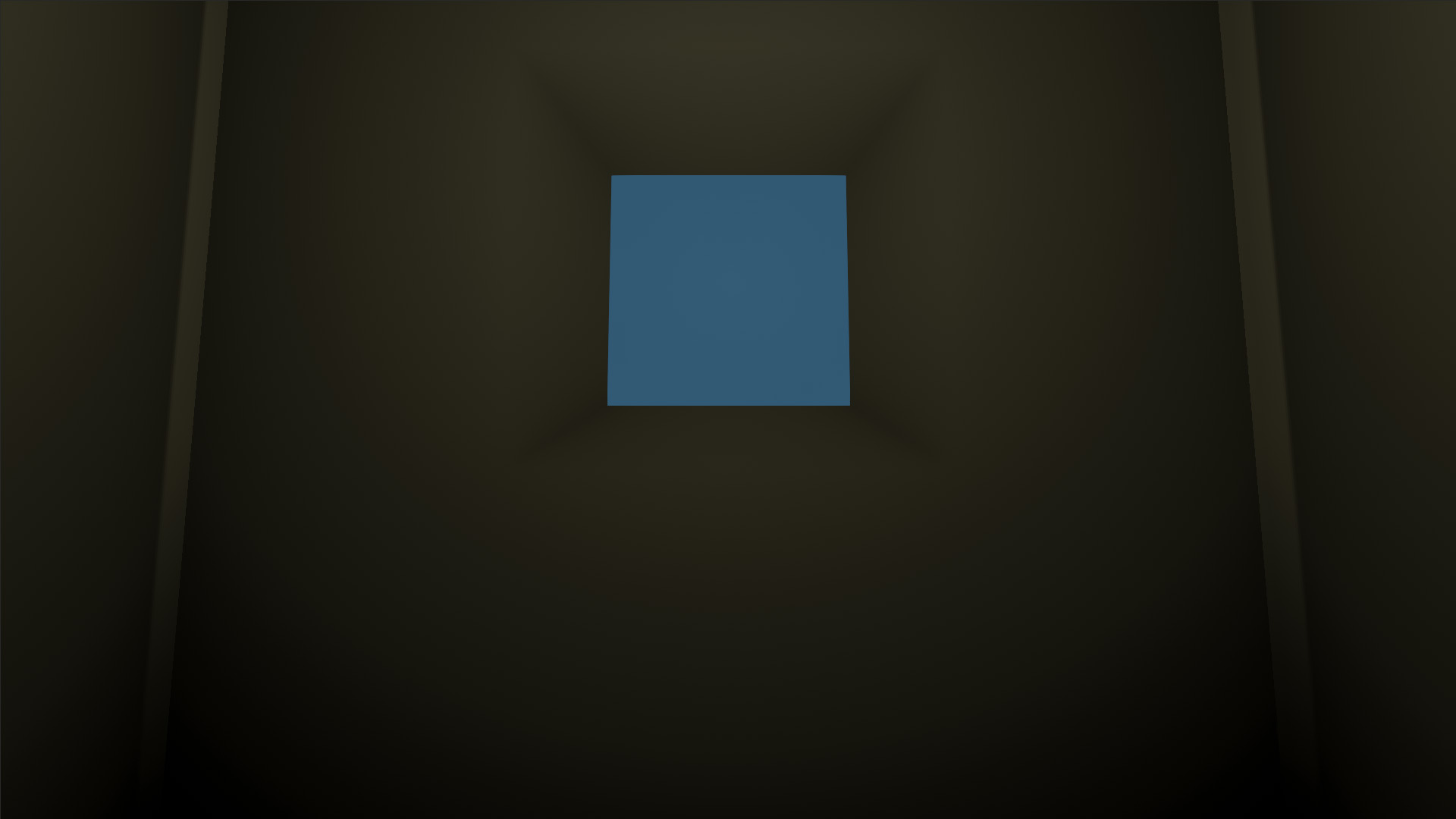
Windows may have many sizes, shapes and arrangements.
The Ceiling
The ceiling is analogous to the sky in the exterior world: and we may ask to what extent does the geometry of the ceiling represent or refer to the vault of the heavens? Does it enclose us tightly, making us feel more protected (also perhaps claustrophobic), or is it open? What is the height of the ceiling? Is it flat or arched?

The Floor
The floor is the interior analog of the earth, and may suggest how connected we feel to it. It may also suggest how to proceed across it, and what this journey represents.


The Continuing Series
Each of the above elements may possess a vast array of geometrical, material and ornamental characteristics — all of which can convey meaning.
In forthcoming chapters we will explore each of these archetypes in detail.